Cute Polygonal Dog 3D Low Poly Animal: A Designer's Guide
There's a specific challenge in modern design: capturing attention without relying on clutter or complexity. We're drawn to clean lines, but we also crave personality. This is where the Cute Polygonal Dog 3D Low Poly Animal comes in. It's not just a digital asset; it's a visual solution that bridges the gap between minimalist geometry and genuine charm. As a printable wall art piece, it offers an instant aesthetic upgrade, but its real power lies in its versatility as a foundational element for broader creative projects.
Understanding the Visual Language of Low Poly Art
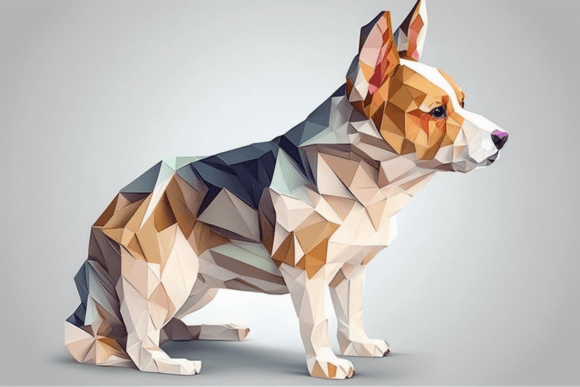
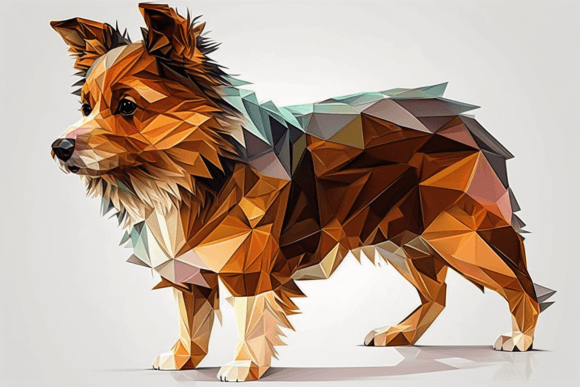
At its core, low poly art is about reduction. It takes a complex form—like a dog—and distills it into its most essential planes and vertices. The result is a stylized, almost crystalline structure that feels both modern and timeless. The Cute Polygonal Dog 3D Low Poly Animal exemplifies this. It uses a calculated arrangement of triangular facets to suggest fur, posture, and expression. The color palette is typically flat and bold, avoiding gradients in favor of solid, contiguous shades that define depth and form. This creates a graphic punch that’s immediately recognizable at any size.
The personality here is key. It’s "cute" not through cartoonish exaggeration, but through the thoughtful simplification of features. The angles are softened, the proportions are balanced, and the overall composition feels friendly and approachable. This makes it an incredibly effective creative font of sorts—not a typeface, but a visual icon that communicates a specific brand tone: innovative, tech-savvy, yet accessible and playful.
Where This Asset Truly Shines: Practical Applications
Thinking of this solely as PRINTABLE Wall Art is limiting. The high-resolution file (6144×4096 px at 300dpi) is your launchpad. Let's break down how to leverage it across different domains.
For Brand Identity and Logo Design
A strong brand identity requires distinctive assets. The polygonal dog can serve as the cornerstone of a mascot or a secondary logo mark. For a pet tech startup, a boutique grooming service, or a modern veterinary clinic, it instantly signals a contemporary, design-forward approach. It pairs exceptionally well with a clean sans serif font for logos, creating a balance between the organic shape of the animal and the structured typography. This kind of pairing establishes immediate visual hierarchy and professionalism.
In Marketing and Social Media Graphics
Social feeds are noisy. A bold, geometric graphic cuts through. Use the dog as a hero image for a campaign, a profile picture, or an animated element in a video. Its low poly nature makes it lightweight for web use and easy to adapt. For content creators and marketers, it’s a reusable asset that maintains consistency across posts, stories, and ads, reinforcing brand recognition without feeling repetitive.
Editorial and Packaging Design
In editorial design, this style works beautifully for feature headers, pull quotes, or chapter dividers in a magazine or book about design, technology, or pets. It adds visual interest without distracting from the text. For packaging design—think pet food, toys, or lifestyle products—the low poly dog can create shelf appeal. It suggests quality and thoughtfulness, elevating the perceived value of the product inside.
Digital and Print Projects
The practical guidance on where to print is straightforward: the file is optimized for quality. Print it at home for personal projects, use a local shop for higher-quality finishes, or upload to an online service for large-format prints. But also consider its digital life. Use it as a website hero image, a podcast cover, or a presentation slide background. The file’s dimensions ensure it remains sharp and professional across all these mediums.
Making It Work: Practical Integration Tips
Adopting any design asset requires strategy. Here’s how to integrate this one effectively.
- Evaluate Project Fit: Does your project’s tone align with geometric, modern, and friendly aesthetics? This asset is perfect for tech, lifestyle, education, and creative industries. It might be less suited for projects requiring ultra-formal or traditional visual language.
- Font Pairing is Critical: To maintain readability and balance, pair the detailed graphic with simpler typography. A versatile serif font can add a touch of classic sophistication, while a geometric sans serif font will keep the look cohesive and modern. Avoid overly decorative script fonts or handwritten fonts that could compete with the graphic’s complexity.
- Color Harmony: Extract a color palette directly from the polygonal dog’s facets. Use these exact shades in your typography, backgrounds, and other design elements to create a unified brand identity. This technique ensures everything feels intentionally connected.
- Scale and Composition: Don’t be afraid to let the graphic dominate a layout as a full-bleed image. Conversely, using a small, isolated section of the dog as a subtle texture or pattern can add depth to business cards or letterheads.
Remember, the goal isn’t to just place a cool image on a page. It’s about using the Cute Polygonal Dog 3D Low Poly Animal to tell a story, solve a design problem, and create a lasting impression. Whether you’re a small business owner building a brand, a blogger designing a header, or a hobbyist creating custom stationery, this asset provides a foundation of quality and style. It’s a piece of modern typography in its own right—a visual character that can define a project’s entire visual language.