Forest Animal Trace: Black Bear Paw Print for Nature Brands
In a digital landscape saturated with sterile, geometric sans serif fonts and overly polished script fonts, there is a growing hunger for typography that feels organic and grounded. This is where Forest Animal Trace: Black Bear Paw Print enters the conversation. It is not merely a collection of letters; it is a statement of style. For designers, marketers, and content creators, this typeface offers a bridge between the wild outdoors and the structured world of commercial design. It captures the essence of the forest floor, providing a rugged authenticity that synthetic fonts simply cannot replicate.
Visual Characteristics and Stylistic Appeal
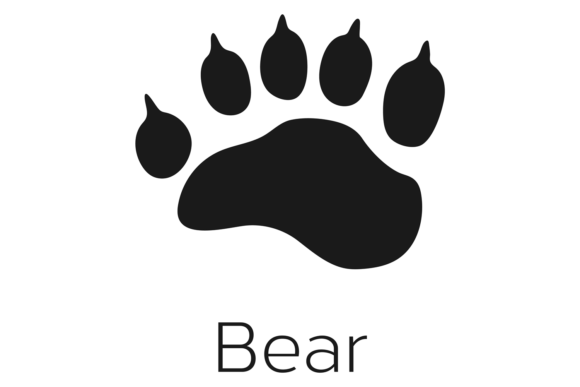
At its core, the Forest Animal Trace font is a display font designed to mimic the visual texture of a black bear's footprint. It does not follow the clean, predictable curves of traditional serif fonts or sans serif fonts. Instead, it relies on organic irregularity. The letterforms often feature uneven edges, mimicking the impression left by a paw pressing into mud or snow. Depending on the specific weight or style included in the package, you might see ink splatters or textured grain that adds to the hand-drawn feel.
The personality of this typeface is bold, rustic, and slightly mysterious. It evokes a sense of adventure and survival. While it lacks the elegance of a traditional script font, it possesses a charm that feels much more honest. It is a creative font that demands attention, making it an excellent choice for headers and titling where you need to establish a mood instantly. However, because of its distinct texture, it functions best when used sparingly. Overusing a font like Forest Animal Trace can quickly turn a design from "ruggedly handsome" to "visually chaotic."
Strategic Applications in Branding and Marketing
Understanding where to deploy this font is key to leveraging its power. As a premium font, it is an investment in your brand identity. It works exceptionally well for specific niches where nature, wilderness, and authenticity are core values.
- Logo Design and Brand Identity: If you are building a brand for an outdoor adventure company, a wildlife conservation group, a craft brewery with a rustic theme, or a high-end camping gear shop, this font is a natural fit. It instantly communicates that your brand is connected to the earth.
- Packaging Design: Think about artisanal products. Small-batch jerky, organic honey, or handmade soaps often rely on packaging design that looks homemade rather than mass-produced. Forest Animal Trace can elevate a simple label into a story about the product's origin.
- Editorial Design: For magazines, blogs, or book covers focused on wildlife photography or hiking guides, this typeface serves as a powerful tool for editorial design. It breaks the monotony of standard body text, creating a visual hierarchy that guides the reader's eye to the most important headlines.
- Digital and Social Media: In the realm of web design and social media graphics, standing out is difficult. A textured font like this can stop a user from scrolling. It is particularly effective for Instagram stories, YouTube thumbnails, or website hero sections that feature nature imagery.
The Psychology of Texture: Influence on Audience and Hierarchy
Typography is rarely just about legibility; it is about feeling. When a viewer sees the Forest Animal Trace font, their brain processes the "wild" texture before they even read the words. This subconscious association influences brand perception. A brand using this font is perceived as more approachable, adventurous, and perhaps more honest than one using a cold, corporate typeface.
However, this comes with a responsibility regarding visual hierarchy. Because display fonts with high texture can be taxing on the eyes, you must pair them carefully. You cannot write a paragraph using Forest Animal Trace; it would be unreadable. Instead, use it for the "shout"—the main headline. Then, for the body copy, choose a highly legible, neutral sans serif font or a clean serif font. This contrast is what makes modern typography work. The display font grabs attention, and the body font holds it by delivering information clearly.
Practical Guide: Testing, Pairing, and Licensing
Before integrating Forest Animal Trace into your next project, there are several practical steps you should take to ensure success. Treating typography as a design asset requires a bit of due diligence.
Evaluating the File Formats
The availability of this asset in formats like EPS, JPG, SVG, and transparent PNG offers significant flexibility for different workflows.
- SVG and EPS: These vector formats are ideal for logo design and large-format printing (like banners or signage). They allow you to scale the paw print or the letterforms to any size without losing quality.
- Transparent PNG: This is essential for layering. If you are creating a social media graphic or a website overlay, a transparent background allows the texture to sit on top of photos or colored backgrounds seamlessly.
- JPG: Best for quick mockups or digital displays where file size matters and editing is not required.
Font Pairing Strategies
Choosing the right companion font is arguably more important than choosing the display font itself. Since Forest Animal Trace is heavy, textured, and rustic, your partner font should be quiet and clean.
- The Modern Contrast: Pair the bear paw font with a geometric sans serif font (like Montserrat or Futura). This creates a "Rugged vs. Refined" look that feels very contemporary and professional.
- The Classic Look: Combine it with an old-style serif font. This works well for book covers or editorial spreads that aim for a timeless, literary feel.
- Avoid: Do not pair it with another handwritten font or a decorative script font. Two expressive fonts will fight for attention, resulting in a cluttered and amateurish design.
Licensing and Commercial Use
Finally, always check the licensing. If you are a freelancer or a small business owner, you need to ensure you have the correct license for your specific usage. Most commercial fonts require an "Desktop License" for logos and print, but may require a "Web License" if you want to embed the font in your CSS using @font-face. If you are creating products for sale (like T-shirts or mugs), you might need an "Extended License" or an "E-Pub License" for digital books. Never assume a free download includes commercial rights; always read the EULA (End User License Agreement) to protect your business.
In conclusion, Forest Animal Trace: Black Bear Paw Print is more than just a novelty; it is a strategic design tool. Used correctly, it brings the spirit of the wilderness into the digital world, helping brands connect with audiences who value authenticity and the great outdoors. By respecting its texture, pairing it wisely, and utilizing the correct file formats, you can create designs that are not only beautiful but also deeply resonant.