Red Pandas Illustration: 10 Poses for Adorable Design
Finding the right visual asset for a project often feels like a hunt for something specific yet versatile. You need an image that captures a particular mood without feeling generic or overused. For designers, publishers, and content creators, this search frequently ends with character-based art, especially when the goal is to evoke warmth, charm, and a touch of whimsy. This is where a well-crafted set of animal illustrations becomes invaluable, moving beyond a single static image to offer a toolkit for storytelling and branding.
More Than a Cute Face: Understanding the Asset
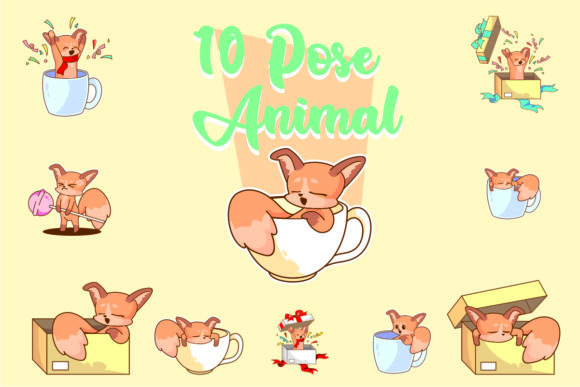
The Cute Animal (red Pandas) Illustration set is a collection of ten distinct poses featuring the beloved red panda. These aren't just simple drawings; they are high-quality vector illustrations designed with professional use in mind. Each pose captures a different aspect of the red panda's personality—from playful and curious to relaxed and observant. The style is clean, with soft lines and appealing proportions that make the characters instantly likeable without being overly childish. This balance is key. The artwork maintains a level of sophistication that allows it to work in contexts aimed at adults, such as wellness branding or artisan product packaging, while still being perfectly suited for children's projects.
The true strength of this collection lies in its format and flexibility. As vector files, the illustrations can be scaled to any size without losing clarity, making them equally suitable for a tiny favicon on a website or a large banner at a trade show. The inclusion of high-resolution transparent PNG files adds another layer of practicality. These pre-rendered files are ready to drop into any design software, social media platform, or document, saving significant time for creators who need quick results. The promise of being "Easy to Customize" speaks to the vector format's core advantage: the ability to alter colors, adjust shapes, or modify elements to fit a specific brand palette or design concept. This transforms the asset from a finished product into a flexible design component.
Practical Applications: From Screen to Print
Knowing what an asset is and knowing how to use it effectively are two different things. The versatility of a red panda illustration set makes it a practical solution for a surprising range of projects. Consider the digital space first. For a small business owner or entrepreneur, these characters can become the friendly face of a brand. A red panda peeking over a logo, waving from a website's 404 page, or featured in an email newsletter creates a memorable and approachable brand identity. For bloggers and content creators, the poses are perfect for creating custom social media graphics, Instagram story stickers, or featured images that stand out in a crowded feed. The playful nature of the illustrations naturally encourages engagement and sharing.
Transitioning to print, the applications expand even further. The most direct use is for sticker sheets or die-cut decals, a popular item for crafters and online sellers. The clear outlines and distinct poses lend themselves perfectly to this format. For publishers and authors, a single, compelling pose can serve as the centerpiece for a children's book cover, instantly communicating the story's tone. Inside the book, the various poses can illustrate scenes, mark chapter beginnings, or act as decorative elements. Beyond books, think about packaging design for organic products, pet supplies, or cozy cafes. A small red panda illustration on a label or box adds a layer of charm and personality that generic stock art cannot match. It's a detail that tells a story about the brand's character.
Integrating Illustrations into Your Design Strategy
Using any design asset effectively requires more than just placement; it demands strategic thinking. The goal is for the illustration to enhance your project, not distract from it. Start by evaluating the fit. Does the playful, friendly tone of the red panda align with your project's message? A serious financial report might not be the right context, but a community-focused initiative or a family-oriented product could be a perfect match. Consistency is crucial for building a recognizable brand identity. If you use one pose in your logo, consider using others from the set across your marketing materials to create a cohesive visual language. This repetition builds familiarity and makes your brand more memorable.
When incorporating the illustrations, pay attention to visual hierarchy. The red panda should support your main message, not compete with it. In a poster, for example, the illustration might draw the eye, but the headline and key information need to remain clear and readable. This is where thoughtful font pairing comes into play. A clean, modern sans serif font often works well with character illustrations, as it provides a neutral counterbalance without creating visual clutter. Avoid overly decorative or script fonts that might clash with the artwork's own personality. The illustration style is relatively modern and clean, so your typography choices should reflect that to maintain a sense of professionalism.
Finally, always consider the technical and legal aspects. Verify that the included license permits your intended use, especially for commercial projects like merchandise or client work. The promise of "Premium" and "Original" artwork suggests a commercial license is likely included, but checking the specifics is a non-negotiable step for any professional. By thoughtfully selecting, customizing, and integrating these red panda illustrations, you transform a charming piece of art into a powerful tool for communication, connection, and brand building.